
Imagine walking into a living room where gently curved walls wrap around you, instantly melting away daily stress. Psychological research shows our daily environments directly shape our mental well-being, exposing the rigid limitations of standard floor plans. By adopting unconventional residential architecture styles, anyone can turn a cookie-cutter house into a bespoke living space built for self-expression. Unique home designs achieve this through light-capturing layouts, flexible transforming rooms, and sustainable materials.
Breathing Life Into Your Living Room: Why Biophilic Design Is the Ultimate Wellness Hack
Have you noticed how walking in the woods instantly lowers stress? That craving for the outdoors is the foundation of Biophilic Design—an approach that weaves nature directly into our homes. By applying biophilic design principles for wellness, you can easily create inviting modern rustic interior concepts, where sleek architecture meets warm, earthy textures.
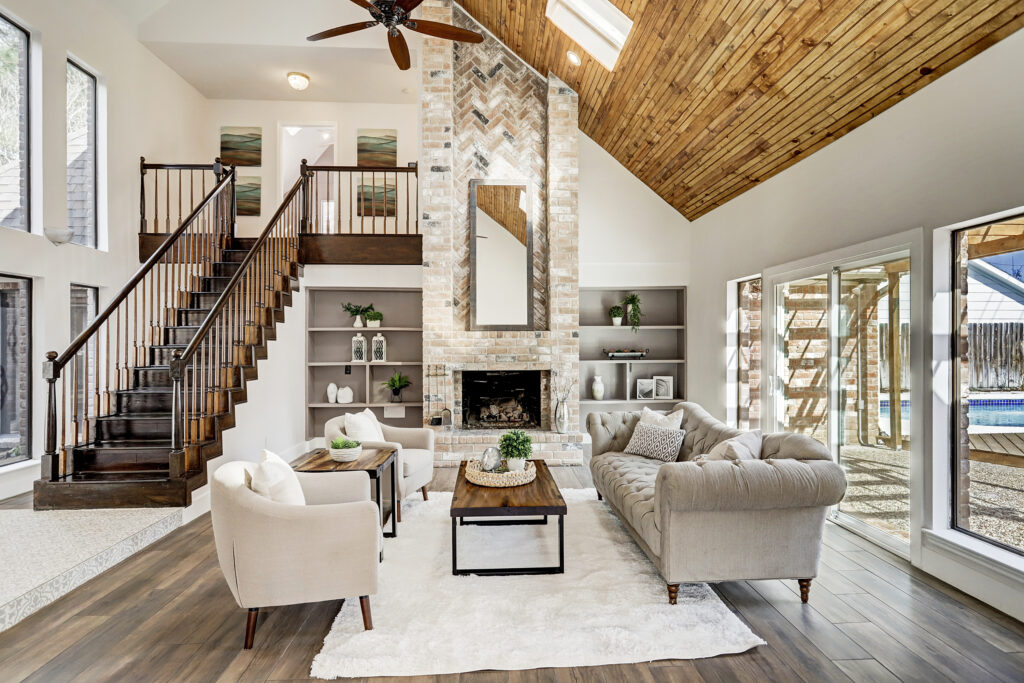
Structural layout plays a vital role in this natural connection. When dealing with cramped property lines, maximizing natural light is critical for narrow lots. Designers often use skylights or glass stairwells to act as a “lung,” breathing sunshine into dark central rooms without ever sacrificing your family’s privacy.
You don’t need a massive renovation to invite this peaceful energy inside. Try adding three specific natural elements to any room: living walls, reclaimed wood accents, and circadian lighting. Once you optimize your home’s natural harmony, the next step is maximizing its footprint to ensure your newly refreshed space functions as beautifully as it looks.
Turning Inches Into Acres: Innovative Space-Saving Solutions for Smaller Floor Plans
It is easy to feel like your home is shrinking as your needs evolve. While open layouts feel wonderfully airy, they often sacrifice personal privacy. The secret to exploring innovative residential floor plan ideas isn’t pushing your exterior walls outward—it’s looking up. Vertical space utilization simply means treating your room’s height as usable real estate instead of empty air. Combine this with kinetic furniture—clever pieces that physically transform, like a dining table folding into a wall—and cramped rooms instantly feel expansive.
Beautifully tailored interiors don’t require massive budgets. You can easily apply affordable custom home construction tips by focusing on smart, functional fixtures over major structural additions. Consider these 4 essential space-saving solutions for compact urban homes: pocket doors, lofted storage, convertible desks, and glass partitions.
Implementing these dynamic features ensures every inch serves a distinct, joyful purpose without feeling cluttered. These space-saving solutions for small floor plans prove brilliant design comfortably thrives in modest footprints, creating an ideal canvas for your broader remodeling vision.
Your Roadmap to a Bespoke Home: Three Steps to Starting Your Custom Renovation
Mastering the steps to create a bespoke living space requires three actions: gathering inspiration, setting a budget, and choosing an architect skilled in sustainable custom house plans. They will effortlessly weave energy-saving passive house certification requirements into your design.
Next, carefully vet experienced home remodeling contractors who can actually execute these non-traditional builds. As you envision your future sanctuary, what does “unique” truly mean to you?
